DofE Expedition Kit List
Heading out on your Duke of Edinburgh’s Award (DofE) expedition? This is the complete personal DofE expedition kit list for Bronze, Silver and Gold — broken down section by section so you can tick off what you already own and pick up only what you’re missing. Everything we recommend is genuine expedition-grade kit, not fast fashion that fails in the rain. Borrow what you can, buy only what you need — then build your own kit from the sections below.
DofE Kit List: what to pack, section by section
The DofE personal kit list is broadly the same for Bronze, Silver and Gold — Silver and Gold simply mean more nights out, so warmth, a reliable shelter and a working stove matter even more. Tap any section to see what you need and what to look for.
Walking boots & footwear
The single most important item on any DofE expedition. Look for waterproof, above-the-ankle walking boots with a supportive sole and good grip — and break them in on training walks well before your assessed expedition to avoid blisters.
We don’t currently stock walking boots — this is honest guidance so you buy the right thing. Pair them with proper walking socks (below).
Walking socks
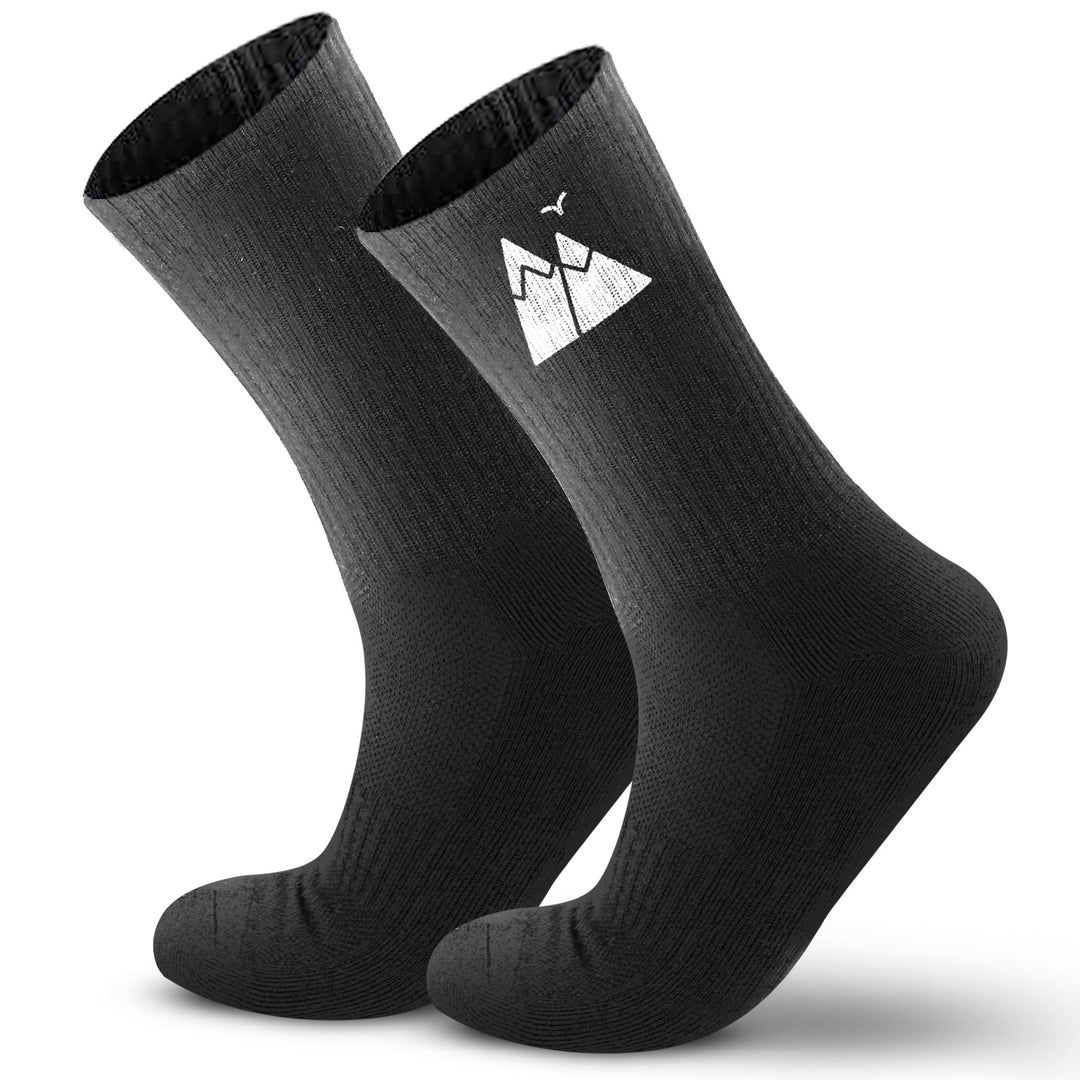
Skip cotton — it holds water and causes blisters. Choose cushioned merino wool walking socks, and consider waterproof socks for wet UK conditions. Always pack a dry spare pair.
Base layers
Your next-to-skin layer should be synthetic or merino — never cotton, which stays cold and wet. A long-sleeve top and leggings wick sweat and add warmth for cold mornings and evenings.
Not currently in stock — look for moisture-wicking merino or synthetic base layers.
Fleece & mid-layer
A fleece or insulated mid-layer traps warmth and packs down small. The layering system — base layer, fleece, waterproof — lets you adapt as the weather changes through the day.
Not currently in stock — choose a lightweight 100/200-weight fleece you can stuff in your pack.
Waterproof jacket & over-trousers (essential)
A waterproof jacket and over-trousers are on the official DofE kit list as essential items — your expedition supervisor will expect them. Look for taped/welded seams, a hood, and a genuine waterproof rating; a shower-resistant fashion jacket will not pass and will not keep you safe on the hill.
Not currently in stock — this is honest guidance. Don’t leave home without proper waterproofs.
Hat & gloves
You lose a lot of heat through your head and hands. Pack a warm hat and waterproof gloves even in summer — UK hills get cold and wet fast, especially at Silver and Gold altitudes.
Sun protection
Easy to forget, but exposed ridgelines burn quickly. Pack sunglasses (UV400 / EN ISO 12312-1 compliant), sun cream and a sun hat. Our polarised sunglasses meet the EN ISO 12312-1 safety standard.
Shop sunglasses → (sun cream not currently stocked)
Rucksack & packing
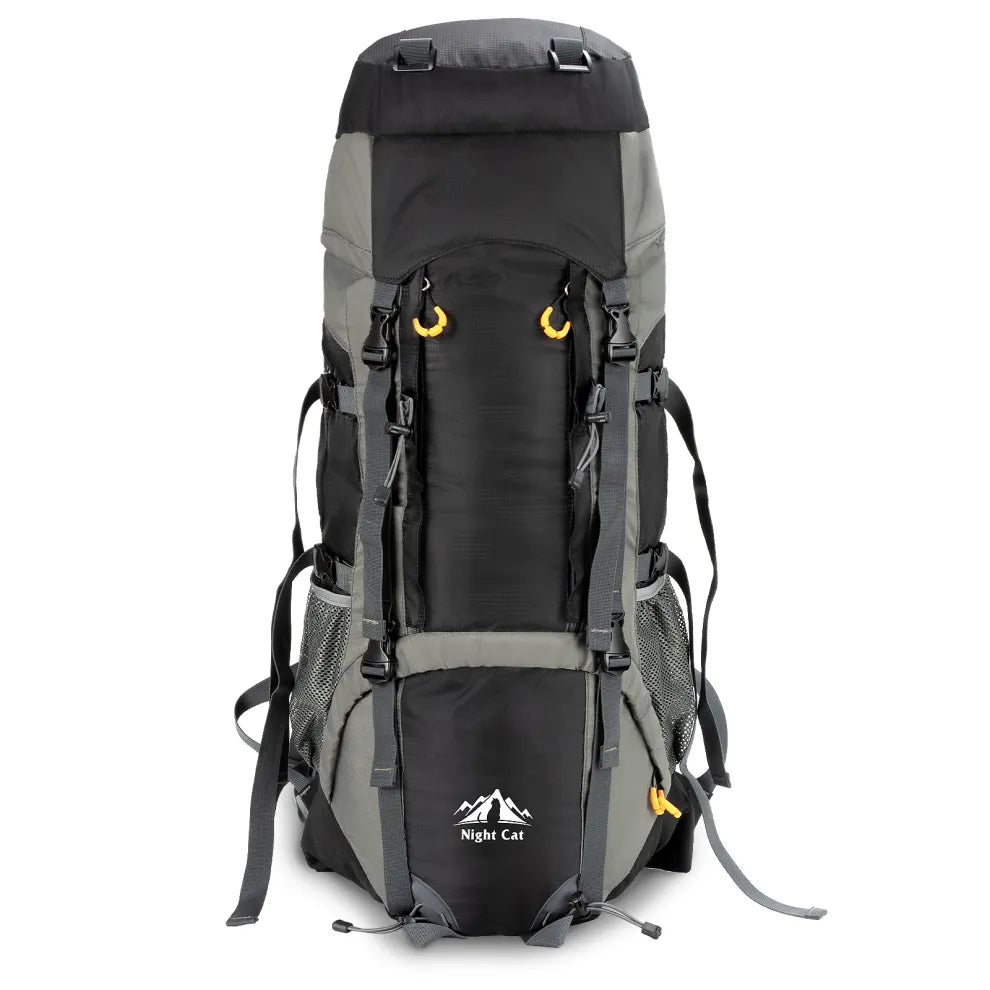
You’ll need a rucksack big enough to carry everything for an overnight expedition — typically around 60–65L — with a padded hip belt and chest strap. Line it with a dry bag or pack liner and use a rucksack cover — keeping your kit dry is non-negotiable.
Shop expedition rucksacks → (dry bags & pack covers coming soon)
Sleeping bag
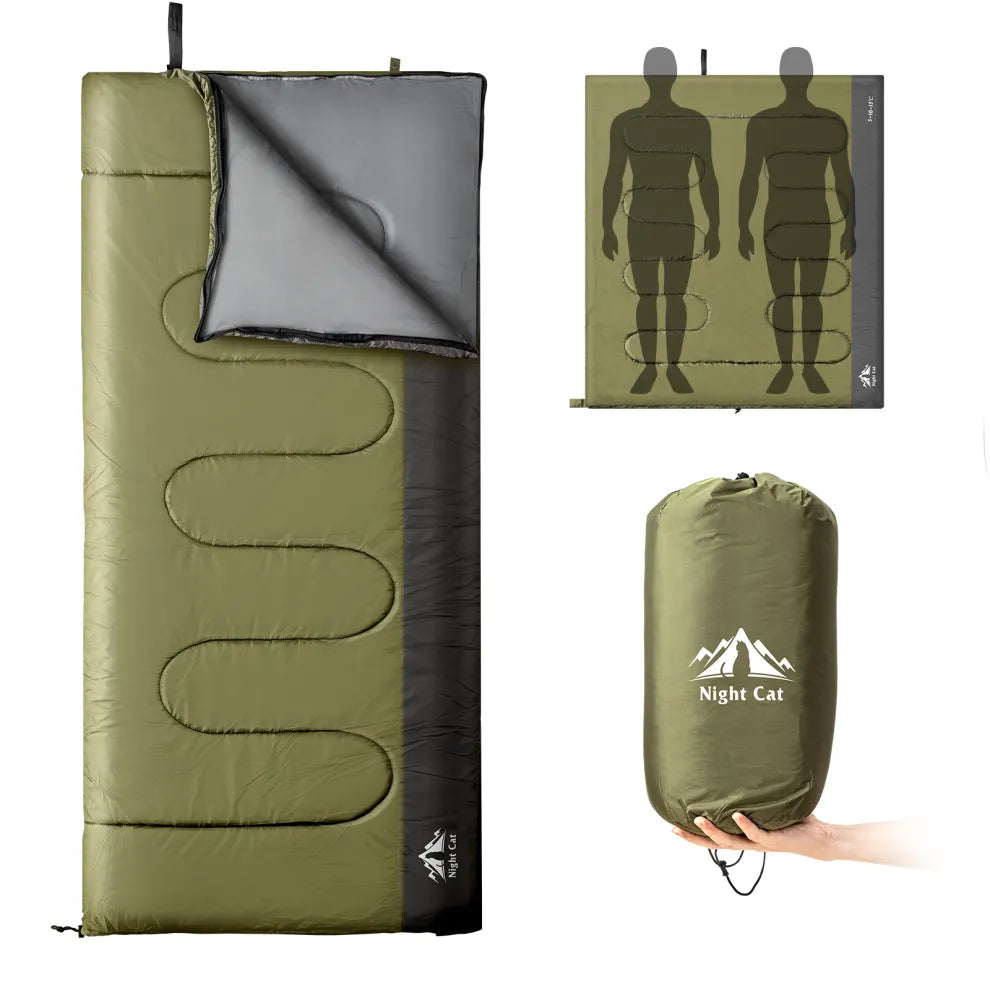
Choose a sleeping bag rated for the conditions — typically a 3-season bag for UK spring–autumn nights. Lightweight down packs smallest; synthetic copes better with damp. A good night’s sleep keeps you safe and sharp on day two.
Sleeping mat / roll mat
A sleeping mat insulates you from the cold ground — just as important as the bag itself. Lightweight self-inflating and inflatable mats pack down small for your rucksack.
Tent & shelter
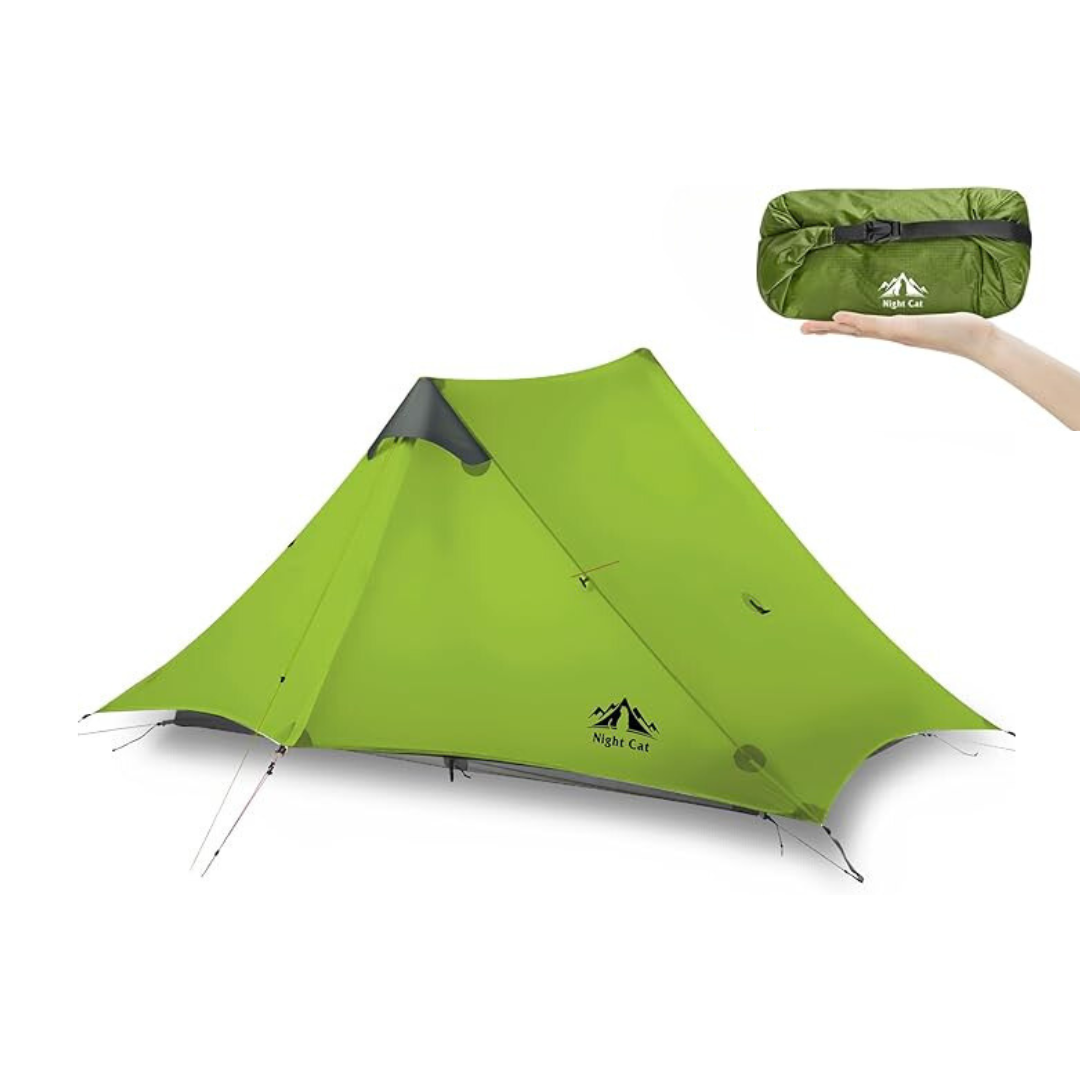
A lightweight 1–3 person backpacking tent shared between your group keeps individual carry weight down. Look for a low packed weight, taped seams and a decent hydrostatic head for British weather.
Stove & fuel
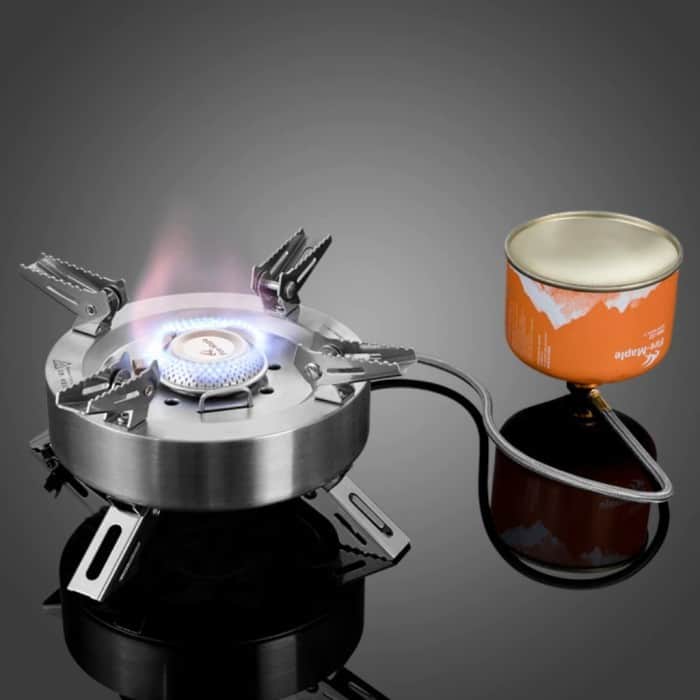
You must cook a hot meal on expedition, so a reliable lightweight backpacking stove and the right fuel are essential. Gas canister stoves are simplest; alcohol and solid-fuel stoves are lighter still. Carry a lighter and waterproof matches as backup.
Cooking & eating
A compact pot/mess kit, mug and lightweight cutlery covers cooking and eating for the whole expedition. Titanium and hard-anodised sets are light and pack inside each other to save space.
Water & hydration
Carry enough water for your route — typically around 2 litres — in a bottle (a hydration bladder is an optional extra), and know your refill points. Staying hydrated is a safety issue, not a comfort one.
Bottles & bladders coming soon — for now, any robust 1–2L bottle or 2–3L bladder works.
Navigation & safety
Essentials: a head torch with spare batteries, a baseplate compass, a whistle, a watch and a personal first-aid / blister kit. Your group also carries the map, and DofE expeditions are unaccompanied — so everyone should be able to navigate.
Shop head torches → · Shop compasses & map cases → · Shop first-aid kits → (whistles coming soon)
Food & rations
Pack lightweight, high-energy meals (boil-in-the-bag or dehydrated expedition meals) plus snacks for the trail and emergency food you don’t touch unless you need it. Practise cooking your chosen meals before assessment.
Expedition ration meals coming soon — for now, dehydrated/boil-in-the-bag meals are widely available.
Wash & personal kit
Keep it minimal: a lightweight travel towel, small wash kit, hand sanitiser, any personal medication and a few wet wipes. A little goes a long way over two or three days.
Travel towels coming soon — pack a quick-dry microfibre towel for now.
Build your own DofE kit
Scroll the products below to add the kit you need, or use our kit builder to put together a complete Duke of Edinburgh’s Award kit from tent and sleeping bag to stove and head torch — everything you can cover from stock we hold today.
DofE Expedition Kit: FAQs
What kit do I need for DofE Bronze?
For a DofE Bronze expedition you need the same core personal kit as Silver and Gold: walking boots, waterproofs, warm layers, a 60–65L rucksack, a sleeping bag and mat, a share of a lightweight tent, a stove and cook kit, a head torch, plus navigation and safety items. Bronze is just one night out so you can pack a little lighter, but always follow your provider’s official kit list.
Do I need to buy a tent for DofE?
Not necessarily — tents are shared between your group, so you only need a share of one lightweight backpacking tent rather than one each, and many groups borrow tents from their DofE centre. If you do buy, choose a lightweight 1–3 person tent with taped seams. Browse our lightweight tents.
Can I borrow DofE expedition kit?
Yes — many DofE centres and schools loan out larger items like tents, stoves and rucksacks, and borrowing is encouraged to keep costs down. Personal items like boots, socks, base layers and a sleeping bag are usually worth owning for fit and hygiene. Borrow what you can, buy only what you need.
What’s the difference between Bronze, Silver and Gold kit?
The kit list is broadly the same across all three levels — the difference is duration. Bronze is 2 days/1 night, Silver is 3 days/2 nights and Gold is 4 days/3 nights, often in wilder, more remote country. More nights mean warmth, a reliable shelter, a dependable stove and enough food matter even more, but the kit list itself doesn’t fundamentally change.
Do I need walking boots for DofE, or will trainers do?
Proper waterproof walking boots with ankle support are strongly recommended and often required, especially for Silver and Gold in rougher terrain. Trainers and trail shoes offer little protection on wet, uneven ground and won’t keep your feet dry. Whatever you choose, break them in on training walks before your assessed expedition.
A note on accuracy & trust. We’re an independent outdoor retailer and are not affiliated with or endorsed by the Duke of Edinburgh’s Award. This kit list is provided as a genuinely useful guide — always follow your own DofE provider’s official kit list and your leader’s advice. Spotted something that could be clearer, or an item we should add? Get in touch — we want this guide to be as accurate and comprehensive as possible.